Welcome
Have you ever been trapped by concrete walls, traffic noise, and small rooms? You’re not the only one. Living in a city frequently means giving up room for convenience. But what if you could make your little flat feel calmer, fresher and more vibrant without tearing down walls? That’s when biophilic design for small apartments and urban places comes in. Think of it as letting nature in, like how sunlight coming through a window makes you feel better right away.
What Is Biophilic Design?
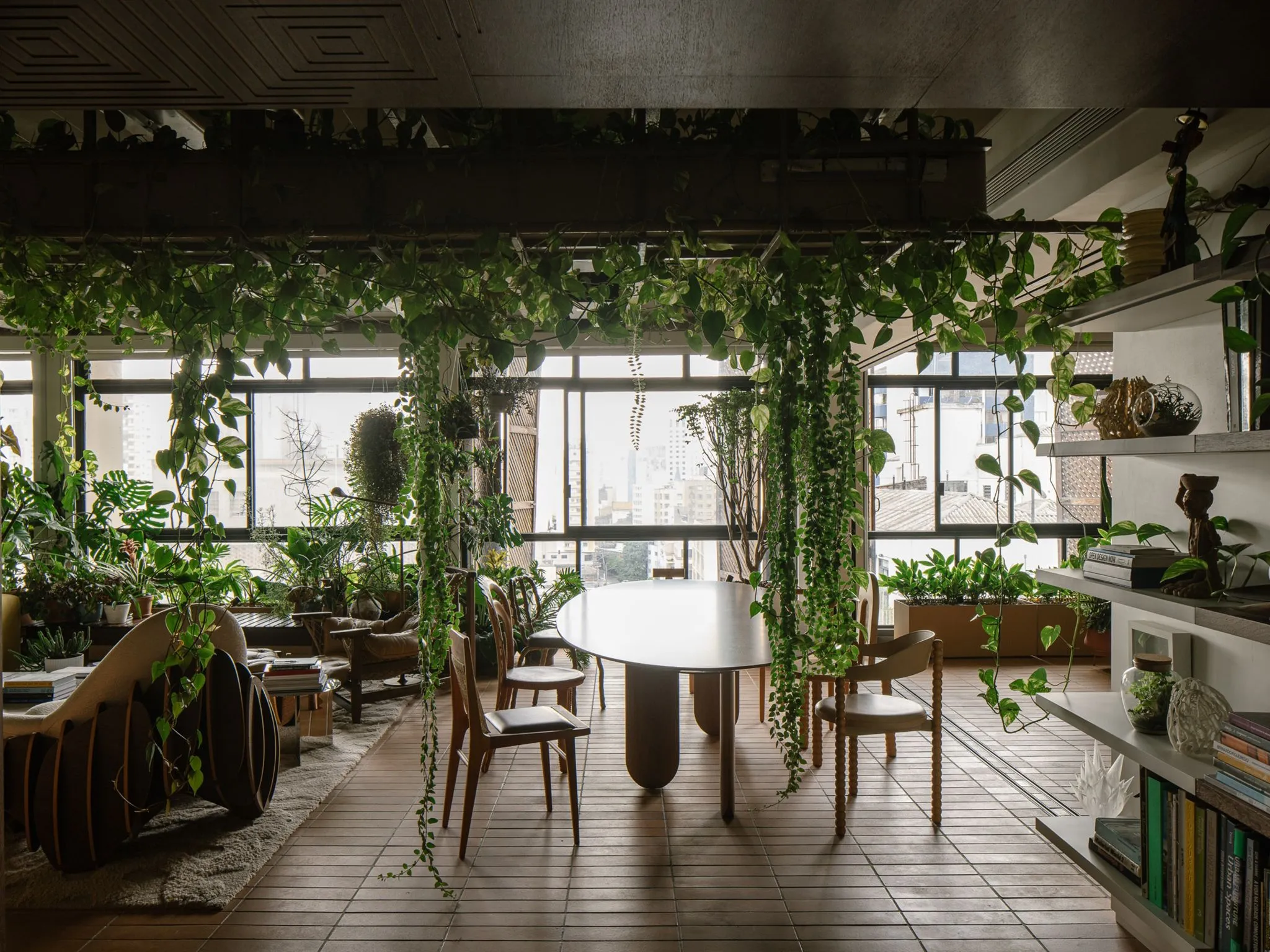
Biophilic design is all about bringing nature into your house. It’s not enough to merely add plants; you also need to think about light, air, textures, and natural patterns. In small flats, it acts like a breath of fresh air for the eyes, making the rooms feel bigger and more comfortable.
Why Nature is Important in City Homes
Most of the time, city life keeps us inside. We look at screens, sit, and scroll. Nature makes up for that. A calm park seat in the heart of a hectic city is an example of a natural element that helps you relax and feel more stable.
Benefits of Biophilic Design in Small Apartments
Key benefits include:
- Better mental health and reduced stress
- Improved air quality
- Enhanced focus and productivity
- A sense of openness in compact spaces
It’s like turning your apartment into a mini retreat.
Natural Light: Your Best Friend
Light changes everything. Maximise daylight by using sheer curtains, mirrors, and light-colored walls. Avoid blocking windows with heavy furniture. Natural light not only saves energy but also boosts mood and sleep quality.
Indoor Plants That Thrive in Small Spaces
You don’t need a jungle. Start small.
Best options include:
- Snake plants
- Pothos
- Peace lilies
- Spider plants
These are low-maintenance and fit well on shelves, desks, or window sills.
Using Natural Materials Wisely
Wood, stone, cotton, and bamboo instantly warm up a space. Even small touches—like a wooden tray or woven rug—can create a natural feel. Think of materials as spices in cooking: a little goes a long way.
Colours Inspired by Nature
Soft greens, warm browns, sandy beiges, and sky blues work wonders. These colours calm the mind and visually expand rooms. Avoid harsh contrasts in small areas.
Smart Layouts for a Natural Flow
Clutter blocks energy. Keep layouts open and furniture minimal. Allow clear walking paths and use rounded edges where possible—they feel more natural and less rigid.
Multi-Sensory Design: Sight, Sound & Touch
Biophilic design isn’t only visual.
- Sound: Soft water features or nature sounds
- Touch: Natural fabrics and textures
- Smell: Fresh plants or subtle earthy scents
It’s like wrapping your senses in a gentle hug.
Vertical Green Solutions
When floor space is limited, go vertical. Green walls, hanging planters, or wall-mounted pots add life without crowding your room. Vertical greenery is perfect for balconies and living rooms.
Budget-Friendly Biophilic Ideas
You don’t need a big budget.
- Reuse glass jars as planters
- Bring in stones or shells from trips
- DIY plant stands
Nature doesn’t ask for luxury—just intention.
Things to Stay Away From
Don’t use too many plants or gloomy colours. A lot can feel like chaos. It’s important to find a balance. Also, don’t pick plants that need more care than you can offer them.
Biophilic Design for People Who Rent
Are you renting? Not an issue. Use planters, rugs, drapes, and furniture that can be moved. These adjustments can be undone and are good for landlords.
Long-Term Effects on Health
Biophilic design makes you feel calmer, sleep better, and love your house more over time. It feels like planting a seed that keeps giving.
Conclusion
Biophilic design for small urban spaces & apartments proves that size doesn’t limit comfort. With light, plants, natural materials, and thoughtful choices, even the smallest apartment can feel alive and welcoming. Nature isn’t a luxury—it’s a necessity we can all bring home.
FAQs
1. Is biophilic design suitable for very small apartments?
Yes, biophilic design works especially well in small spaces using light, plants, and natural colours.
2. Do I need a lot of plants for biophilic design?
No, even one or two well-placed plants can make a noticeable difference.
3. Can biophilic design improve mental health?
Yes, natural elements are proven to reduce stress and improve mood.
4. Is biophilic design expensive to implement?
Not at all. Many ideas are budget-friendly and DIY-friendly.
5. Can renters apply biophilic design principles?
Absolutely. Use removable and movable elements like plants, rugs, and lighting.