Biophilic Design & Nature-Connected Living
Introduction to Biophilic Design Living-
Biophilic Design Living is more than a design trend—it is a science-backed approach to creating spaces that reconnect humans with nature. As urbanization accelerates and screen-based lifestyles dominate daily routines, people are increasingly disconnected from natural environments. Biophilic design addresses this gap by integrating natural elements into homes, workplaces, and communities, promoting physical health, mental well-being, and environmental sustainability.
Rooted in the concept of biophilia, a term popularised by biologist Edward O. Wilson, this design philosophy recognizes humanity’s innate attraction to nature. Nature-connected living environments leverage this instinct to create healthier, more restorative spaces.
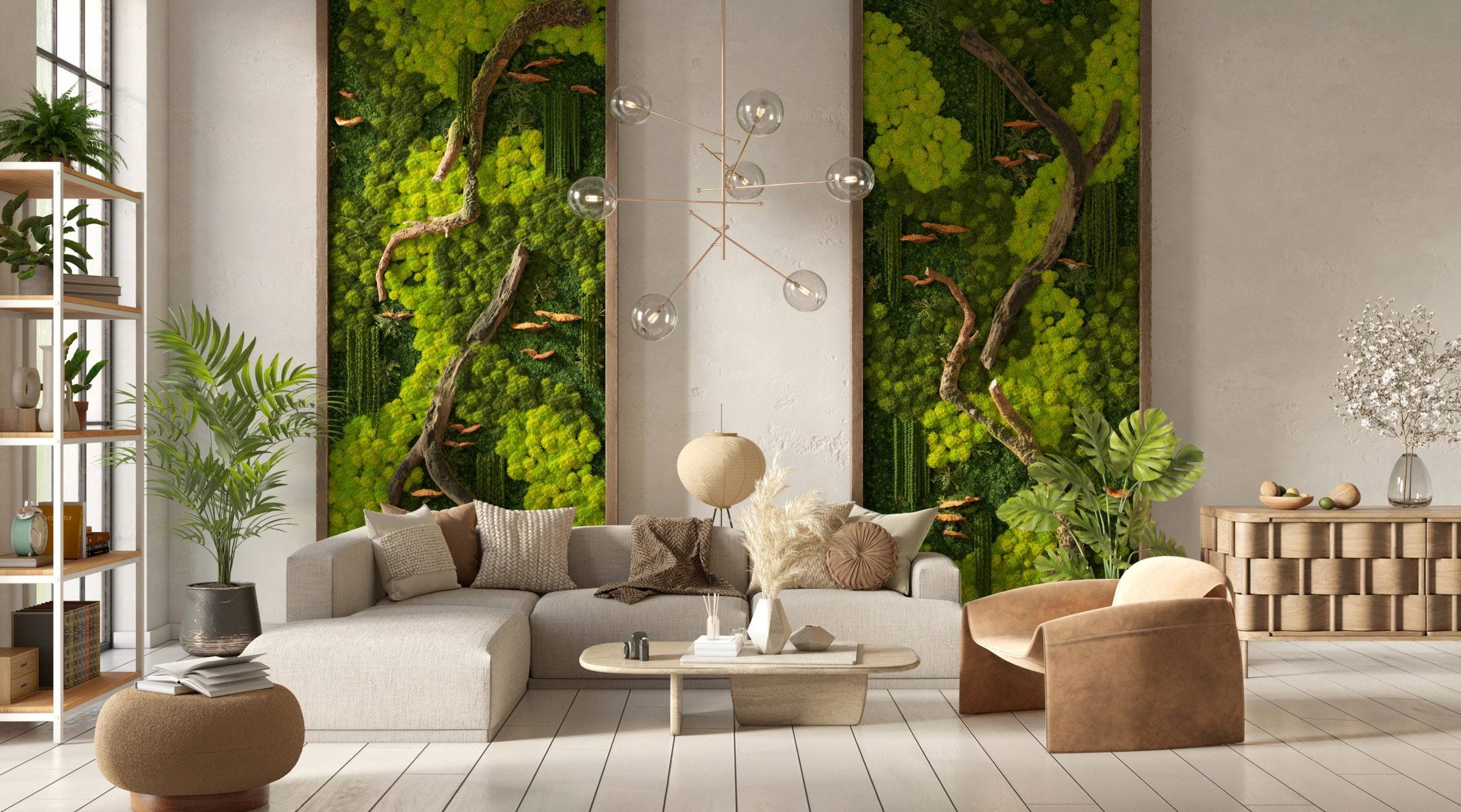
What Is Biophilic Design?
Biophilic design is the practice of incorporating natural elements, materials, patterns, and processes into the built environment. Unlike traditional interior design, which often prioritizes aesthetics alone, biophilic design balances beauty, function, and human wellness.
Key objectives of biophilic design living include:
- Reducing stress and anxiety
- Improving cognitive performance and creativity
- Enhancing indoor air quality
- Encouraging sustainable building practices
By mimicking natural systems, biophilic environments support both human and ecological health.
Core Principles of Biophilic Design Living
1. Direct Connection With Nature
This principle focuses on tangible natural elements within a space. Examples include:
- Indoor plants and green walls
- Natural daylight and ventilation
- Water features such as fountains or aquariums
These elements provide sensory engagement through sight, sound, touch, and even smell, creating a calming and immersive environment.
2. Indirect Connection With Nature
Indirect connections evoke nature without using living elements. This includes:
- Natural materials like wood, stone, bamboo, and clay
- Earth-toned colour palettes
- Organic shapes and biomorphic patterns
These design choices subconsciously remind occupants of natural landscapes, fostering comfort and familiarity.
3. Spatial and Place-Based Relationships
Biophilic design also considers how spaces are organized. Features such as:
- Open layouts with visual depth
- Prospect and refuge areas (open views combined with cosy nooks)
- Designs inspired by local ecology and culture
These aspects create environments that feel intuitive, safe, and deeply connected to their surroundings.
Benefits of Nature-Connected Living
Improved Mental Health
Studies consistently show that exposure to natural elements reduces cortisol levels, lowers blood pressure, and alleviates symptoms of anxiety and depression. Biophilic design living creates restorative spaces that support emotional balance.
Enhanced Physical Well-Being
Natural light helps regulate circadian rhythms, improving sleep quality and energy levels. Better ventilation and natural materials also reduce exposure to toxins, contributing to overall physical health.
Increased Productivity and Creativity
In workplaces and home offices, biophilic environments are linked to higher focus, creativity, and job satisfaction. Nature-inspired spaces encourage mental clarity and problem-solving.
Environmental Sustainability
Biophilic design often aligns with sustainable practices, such as energy efficiency, use of renewable materials, and water conservation. This reduces environmental impact while promoting responsible living.
Biophilic Design in Residential Spaces
Living Rooms
Incorporating large windows, indoor plants, and natural textures transforms living rooms into serene retreats. Furniture made from sustainable wood and linen enhances the organic aesthetic.
Bedrooms
Nature-connected bedrooms emphasize tranquility. Soft lighting, neutral colours, natural fabrics, and views of greenery help promote restful sleep and relaxation.
Kitchens and Dining Areas
Using stone countertops, wooden cabinetry, and herb gardens connects food preparation with nature. Natural light in these spaces enhances mood and encourages mindful eating.
Bathrooms
Biophilic bathrooms often resemble spas, featuring stone finishes, indoor plants, water elements, and natural ventilation to create a calming, rejuvenating experience.
Biophilic Design and Urban Living
Urban environments present unique challenges, but biophilic design living is especially impactful in cities. Vertical gardens, green roofs, courtyards, and balconies bring nature into dense urban settings. Even small interventions—such as potted plants or natural artwork—can significantly improve quality of life.
Cities that adopt biophilic principles benefit from:
- Reduced urban heat island effect
- Improved air quality
- Stronger community well-being
Technology and Biophilic Design Living
Modern technology complements biophilic design rather than opposing it. Smart lighting systems can mimic natural daylight cycles, while energy-efficient HVAC systems improve indoor air quality. Digital tools also help architects model nature-inspired forms and optimize sustainable performance.
The future of biophilic design lies in harmonizing technology with nature, creating intelligent, responsive living spaces.
How to Start Biophilic Design Living at Home
You don’t need a complete renovation to embrace biophilic design. Simple steps include:
- Adding indoor plants suited to your climate
- Maximizing natural light by using sheer curtains
- Choosing furniture made from natural materials
- Incorporating nature-inspired colours and textures
Gradual changes can have a profound impact on how a space feels and functions.
The Future of Biophilic Design Living
As awareness of mental health, sustainability, and environmental responsibility grows, biophilic design living will continue to shape architecture and interior design. Homes and cities of the future will prioritize human-nature connections, recognizing that well-being and sustainability are inseparable.
Biophilic design is not a luxury—it is an essential response to modern living challenges. By reconnecting with nature through thoughtful design, we create spaces that nurture health, happiness, and harmony.
Conclusion
Biophilic Design Living represents a powerful shift toward nature-connected living. By integrating natural elements, sustainable materials, and human-centred design principles, it enhances well-being while respecting the environment. Whether applied to a single room or an entire city, biophilic design offers a healthier, more meaningful way to live—one that brings nature back into everyday life.