Introduction
Have you ever felt torn between loving calm, minimalist spaces and wanting bold, expressive décor? You’re not alone. That’s exactly where Japandi Maximalism steps in. It blends the peaceful simplicity of Japandi design with the richness and personality of maximalism. Think of it like adding colorful artwork to a quiet meditation room — balance with character.
Today, many homeowners want spaces that feel calm but also reflect who they are. Japandi Maximalism offers that sweet spot. Let’s break it down in a simple, practical way so you can understand and maybe even use it in your own space.
1. What Is Japandi Maximalism?
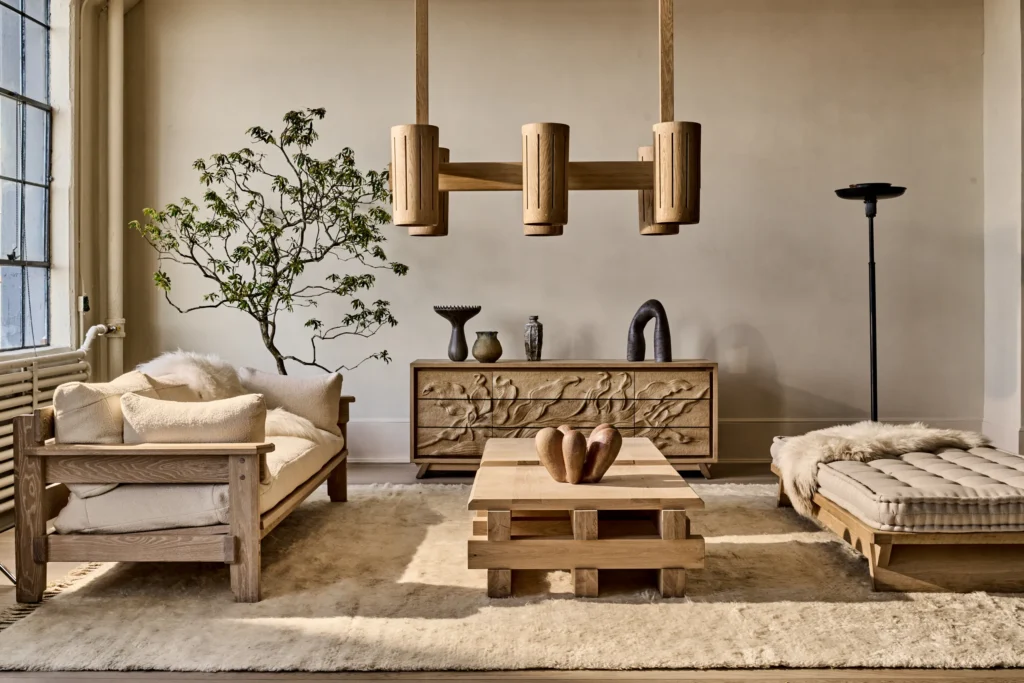
Japandi Maximalism is a hybrid interior design style combining Japanese minimalism, Scandinavian functionality, and maximalist layering. Instead of empty spaces, you get intentional fullness.
Key idea:
You keep calm foundations, but add meaningful visual richness.
It’s not clutter. It’s curated abundance.
2. Origins of Japandi Style
Japandi itself is a fusion of Japanese and Scandinavian design.
Key Traits:
- Clean lines
- Natural materials
- Neutral colors
- Functional furniture
Both cultures value craftsmanship and simplicity. That’s why they blend naturally.
3. What Is Maximalism in Design?
Maximalism is about expression, personality, and storytelling through décor.
Common Features:
- Layered textures
- Bold art
- Mixed patterns
- Rich colors
But Japandi Maximalism uses these carefully, not chaotically.
4. Why Japandi and Maximalism Work Together
At first, they sound like opposites, right?
Here’s the secret:
Japandi creates a calm base.
Maximalism adds emotional depth.
Analogy:
Think of it like plain rice (Japandi) with flavorful curry (Maximalism). Alone, rice is simple. Together, it’s memorable.
5. Core Principles of Japandi Maximalism
Balance is Everything
Main Rules:
- Minimal base structure
- Intentional décor layering
- Natural + artistic mix
- Function + beauty balance
You’re not filling space randomly. You’re telling a story.
6. Color Palette in Japandi Maximalism
Base Colors:
- Warm beige
- Soft white
- Earth brown
- Muted grey
Accent Colors:
- Deep green
- Rust
- Indigo
- Terracotta
The base calms the eye. Accents add personality.
7. Materials and Textures
This style loves natural materials.
Common Choices:
Wood (oak, teak, walnut)
Linen fabrics
Ceramic décor
Stone surfaces
Bamboo elements
Texture layering creates richness without visual chaos.
8. Furniture Selection
Furniture should be simple but strong in presence.
Look For:
Low-profile seating
Solid wood pieces
Soft curved edges
Handmade or artisan pieces
Quality matters more than quantity.
9. Decorative Elements and Styling
This is where maximalism shows up.
Add:
Statement artwork
Sculptural vases
Books
Plants
Textured cushions
But ask yourself:
“Does this add meaning or just fill space?”
10. Lighting Approach
Lighting should feel warm and soft.
Best Options:
Paper lamps
Fabric lampshades
Warm LED lighting
Floor lamps with wood or metal bases
Lighting should highlight textures and décor layers.
11. How to Apply Japandi Maximalism at Home
Step-by-Step:
Step 1: Start with neutral walls
Step 2: Add natural furniture
Step 3: Layer textiles slowly
Step 4: Add statement décor pieces
Step 5: Use plants for life and freshness
Take it slow. This style grows over time.
12. Common Mistakes to Avoid
Avoid These:
Overcrowding surfaces
Using too many bright colors
Mixing too many patterns
Ignoring negative space
Remember: It’s maximalism with discipline.
13. Who Should Choose Japandi Maximalism?
This style is perfect if you:
Love calm interiors
Want personality in your space
Like natural materials
Enjoy collecting meaningful décor
It’s ideal for modern urban homes.
14. Future of Japandi Maximalism
This style is growing because people want homes that feel peaceful yet personal.
With remote work and urban stress, calm + expressive interiors are becoming essential.
Expect more sustainable materials and handmade décor in future trends.
Conclusion
Japandi Maximalism proves you don’t have to choose between simplicity and personality. You can have both. By combining calm foundations with meaningful layering, you create a home that feels peaceful but never boring. If minimalism feels too empty and maximalism feels too loud, this style might be exactly what you need.
FAQs
1. Is Japandi Maximalism expensive?
Not necessarily. You can mix affordable basics with a few statement pieces.
2. Can small apartments use Japandi Maximalism?
Yes. Just focus on vertical layering and smart décor placement.
3. Is Japandi Maximalism cluttered?
No. It’s curated and intentional, not messy.
4. What colors work best in Japandi Maximalism?
Neutral base colors with earthy or deep accent tones work best.
5. Is Japandi Maximalism a trend or long-term style?
It’s likely long-term because it balances comfort, sustainability, and personalization.